Skipping The Rules, Spin Game
Skipping the rules for spin game: requirements, timings, costs and what to do when something goes wrong.
What is skipping the rules?
In the context of the spin game, skipping the rules refers to the deliberate choice to decline or bypass a promotional offer, most often a deposit bonus or free-spin package, before you begin a playing session. It is not cheating or exploiting a loophole. It is a recognised player decision that most platforms accommodate through an opt-out mechanism built directly into the bonus-acceptance flow.
The core idea is straightforward: some bonus offers attach a wagering requirement to every rupee in your account the moment you accept them. Once that condition locks onto your balance, you cannot withdraw freely until you have turned over the required amount a set number of times. Skipping the offer entirely means your deposited funds remain unrestricted from the first spin.
Players in the spin game community use the phrase "skipping the rules" loosely to cover two related situations. The first is skipping a specific promotional term, for instance, declining a welcome match-bonus so that a winning session can be cashed out immediately. The second is skipping a subset of gameplay rules, such as choosing not to activate a side-bet or multiplier feature whose terms introduce additional playthrough conditions. Both situations share the same logic: you trade a potential upside for freedom of movement.
Understanding when that trade is worth making is what separates reactive players from deliberate ones. The sections below explain the safety considerations, the underlying mechanics, and a precise step-by-step method for executing the skip cleanly inside a spin game session.
Skipping the rules safety and timing
The first concern most players raise is whether skipping a bonus offer penalises their account. On reputable spin game platforms operating under a valid gaming licence, declining a promotion carries no penalty. The platform's terms of service must allow free opt-out; if they do not, that is itself a red flag worth investigating before depositing. You can verify a platform's licensing status and general complaint history through the public register maintained by the licensing authority named in the platform's footer, that register is something you visit directly on the regulator's own website, not something retrieved from a third-party list.

Timing is the more nuanced safety factor. The window in which you can meaningfully skip a rule or offer closes faster than most players expect, and it closes at different points depending on the offer type.
Deposit-linked bonuses typically activate the moment your deposit is confirmed. If the platform auto-credits bonuses, you may have only a brief grace period, sometimes measured in seconds, to navigate to your bonus wallet and decline or forfeit the credit before the wagering lock applies. Knowing this in advance is essential. Read the specific bonus terms before initiating the deposit, not after.
Session-based rule skips: such as choosing not to buy into a bonus round feature or a multiplier trail, must usually be decided before the relevant spin is resolved. Once the game engine registers your stake, the associated rule set is active. There is no mid-spin reversal.
Free-spin packages often come with their own separate wagering requirement that applies only to winnings generated by those spins. If you accept the spins but close the game session before completing them, many platforms will retain the winnings in a restricted state until the wagering requirement is met anyway. Skipping correctly here means either declining the package outright before any spin is taken or completing the package in full and meeting its terms, not abandoning it partway through. An incomplete free-spin session is one of the most common sources of player confusion, precisely because the restricted balance looks like real money until the requirement clears.
The safest timing rule across all offer types is this: make the skip decision before money moves. Read the offer, decide whether to accept or decline, and only then proceed with the deposit or the spin.
How skipping the rules works
The mechanics behind skipping a rule in the spin game depend on which layer of the game you are working with, platform-level promotions, game-engine features, or session-level side bets. Each layer has its own opt-out path, and understanding all three prevents you from accidentally accepting a condition you intended to avoid.
Platform-level opt-out is the most consequential. When a platform offers a deposit bonus, the bonus is tied to your account rather than to any individual game. The opt-out mechanism is usually found in the promotions or bonuses section of your account settings. Some platforms present a toggle, bonus active or inactive, that you set before depositing. Others require you to contact support and request a manual opt-out. A small number use a specific deposit code system, where depositing without entering the promotional code simply means no bonus is applied.
Whichever method your platform uses, the key principle is the same: the decision is made at the account level before funds are committed.
Game-engine feature skips operate differently because they are controlled by the software of the individual spin game title, not by the platform's promotional system. Many modern spin game titles include optional features, buy-bonus functions, gamble trails, hold-and-respin mechanics, that each carry their own in-game cost and associated rules. Skipping these means simply not activating them. There is no button labelled "skip"; you skip by default unless you deliberately tap or click to enter the feature.
The risk here is accidental activation through misclicks, which is why reviewing a title's paytable and feature descriptions before your first paid spin is strongly recommended. Most spin game titles display this information through an "i" or information icon within the game interface itself.
Session-level side-bet skips apply to games that offer an optional parallel wager alongside the main spin, for example, a jackpot contribution bet or a bonus-symbol side stake. These are typically toggleable within the game's settings panel. Disabling them reduces your cost per spin but also removes your eligibility for whatever that side bet unlocks. The trade-off is purely mathematical: a smaller guaranteed stake versus a smaller chance of a larger outcome.
Skipping is appropriate when your session budget is limited and the side-bet's expected cost outweighs the value of what it offers, but that calculation depends entirely on the specific game's published return-to-player figures, which the game developer is required to disclose in the game's information panel.
Across all three layers, the common thread is information. You cannot skip intelligently without first knowing what you are skipping and what you lose by doing so. The difference between a skip that protects your balance and one that costs you a genuinely valuable offer is the quality of the reading you do before the session begins.
Skipping the rules step by step
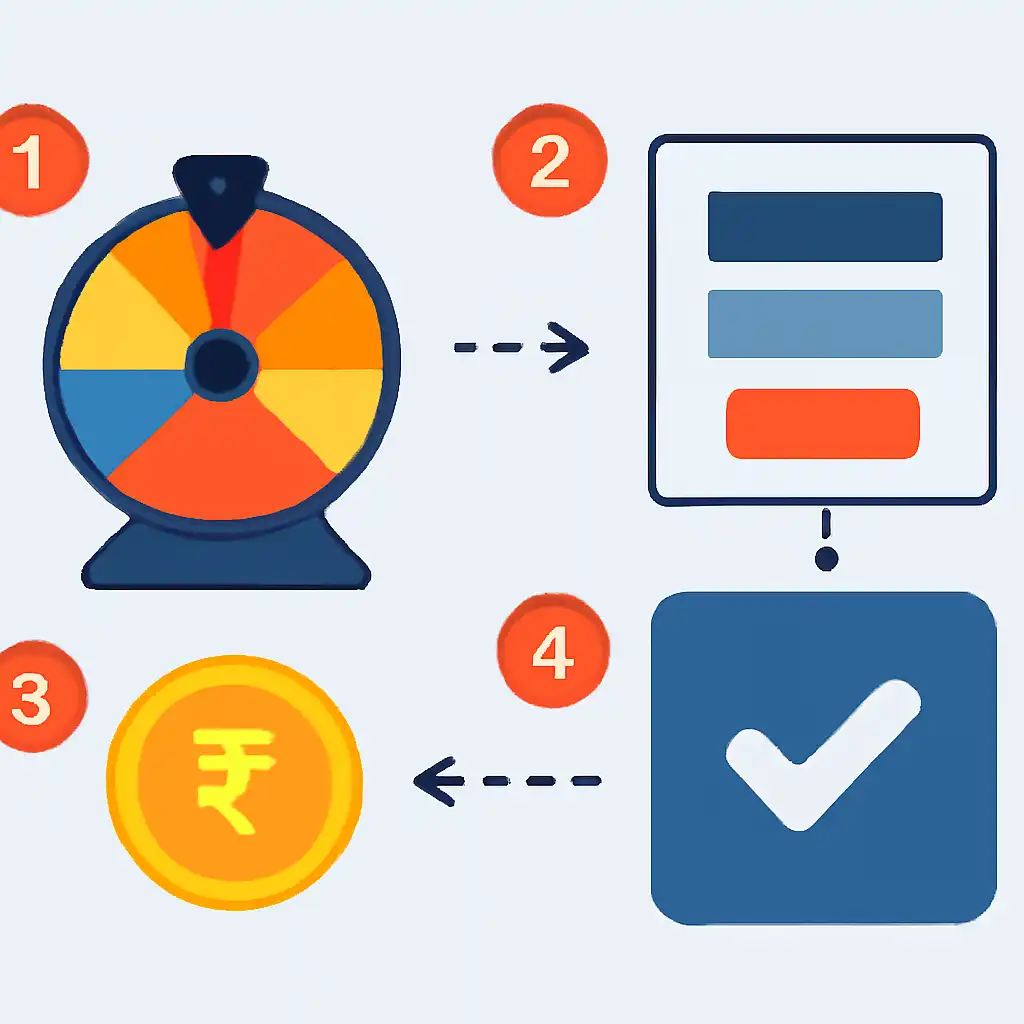
The following process applies to a standard spin game session where you want to ensure no unintended rule or bonus condition attaches to your play. Work through each step in order. Skipping a step, ironically, is where most players introduce the very problems they are trying to avoid.
Step one: Read the current promotions page before depositing. Log in to your account and navigate to the promotions or bonuses section. Note every offer that is currently active and whether it applies automatically on deposit or requires a code or manual opt-in. Write down the wagering requirement, the time limit, and the opt-out method for any offer you are considering skipping. The platform's help or FAQ section will describe the opt-out process for that platform specifically; if it does not, contact support before proceeding.
Step two: Set your bonus preference at the account level. If the platform offers a global bonus opt-out toggle, disable it now. If opt-out requires contacting support, do that now and wait for written confirmation before moving to step three. If the platform uses a code-based system, simply plan to deposit without entering any promotional code.
Step three: Deposit. Make your deposit through your chosen payment method. Once the deposit clears, return to your account balance and bonus wallet to confirm that no bonus credit has been applied. If a bonus has been applied automatically in error, contact support immediately, most platforms allow reversal within a short window, but that window is narrow and acting promptly is essential.
Step four: Open the spin game title and read the paytable. Before placing a single paid spin, open the information panel inside the game. Review which features are optional and which are automatic. Identify any toggleable side bets or bonus-stake options. Set them to your preferred state. Note the published return-to-player percentage for both the base game and any optional features, as these figures directly inform whether a feature is worth activating.

Step five: Verify your stake settings. Confirm your bet level, the number of lines in play, and whether any optional stake multipliers are active. A common source of unintended rule activation is a bet-level setting carried over from a previous session that automatically re-enables a side bet you had previously skipped.
Step six: Play and monitor your balance. During the session, avoid the in-game buy-bonus or gamble features unless you have specifically decided to use them. If you trigger a feature accidentally, complete it rather than closing the game, as abandoning a partially triggered feature can leave winnings in a restricted state on some platforms.
Step seven: Before ending the session, check your withdrawal eligibility. Navigate to the cashier or withdrawal section and confirm that your balance carries no wagering requirement. If any restriction appears that you did not intend to accept, document it with a screenshot and contact the platform's support team with that evidence. The official dispute escalation route, if platform support does not resolve the issue, is the licensing authority whose details appear in the platform's footer, you submit a complaint directly to that body through their official website.
Executing all seven steps takes less than ten minutes before a session begins. That time is the practical cost of skipping correctly in the spin game: and it is a cost worth paying every time.